
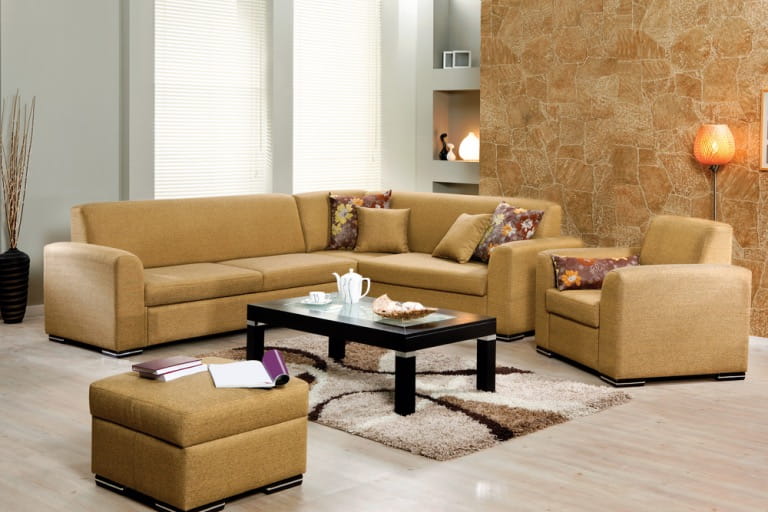
Furniture selection is more than just picking a chair and table that match one’s taste. Each item should fit into the dimensions of a room, provide adequate support to the lifestyle that the individual leads, and be practical even after delivery is done. Regardless of whether an individual is choosing items for one particular room or is in need of multiple new items in a new apartment, find the right sofa for your space at Poly & Bark after all the dimensions are checked.
A beautiful Internet famous sofa might be way too extravagant for the narrow living room, just like a small dining table can’t be possibly used in a house hosting parties. It is vital to choose pieces carefully and take into account such important factors as dimensions, comfort, durability, maintenance and safety. Of course, style is an important factor but it can only be relevant if it provides efficient functions.
Why Furniture Dimensions Are More Important than Trends?
Even if a piece of furniture fits into the room, it might make it almost impossible to use the space. Usually, it’s the width that gets discussed most, but the width itself does not mean the furniture piece fits perfectly. Apart from the width, factors such as depth, height and shape of the legs of the furniture should be considered as well. For example, a huge sectional sofa could take too much space in the room making it impossible for people to pass behind it or a heavy bed frame might make the whole room feel too crowded in case of having a small bedroom.
Instead of ordering trendy furniture, an individual should think about whether this piece of furniture will resolve some problem in the future. For instance, a chair that is comfortable enough for reading books or a dining table that allows sitting comfortably at one table will be far more valuable than a chair that looks cool or trendy.
How to Measure the Space Before Shopping?
One important tip before making a purchase is to measure the room, measure the furniture, and measure the route from the door to where the item is placed in its final position. Delivery can be complicated by narrow corridors, corners, staircases, lifts, and doors.
Measurements to Take
- Size of the room in terms of length, width, and height.
- Sizes of the entrance, corridor, stairs, or lift.
- Size and height of windows, swing of doors, size of a radiator, products of the heater, and outlets.
- Size and type of a unit and the furniture that stays in the room.
- Measure the size of the item, taking into account the size of arms and legs, expanded leaves and drawers.
Ways to Visualize Size
Gather some painter’s tape and make an outline of a piece of furniture on the floor. One can also use cardboard instead of tape. Move along the outline, simulate pulling out a chair, and imagine opening drawers and doors. This will take no more than a couple of minutes and often will lead to some interesting discoveries that cannot be made by looking at pictures.
How to Create a Comfortable Layout?
A comfortable room should have not only nice furniture, but also clear pathways. Begin by defining the center (fireplace, window, TV set, or painting), and then arrange furniture items. Think of a seating arrangement which has to encourage people to talk and facilitates interaction, without forcing them to all look at a wall.
- Ensure that furniture does not restrict movements across the room.
- Ensure that doors and cabinets can be opened.
- Ensure that vents can work properly.
- Ensure that the vacuum cleaner can be used in the room.
- Select a sizable rug that ties a whole seating arrangement into a unified whole.
Select Furniture Based on Your Daily Needs
The choice that you make will need to be based on the daily activities taking place in that room. Families with kids and pets will benefit from easily cleanable upholstery made from durable materials as well as from extra storage abilities. For a small apartment, nesting tables and an ottoman will come in handy while guests will be interested in furniture pieces that can double for extra seating as well as an expandable dining table.
It is also essential to evaluate whether there are any special needs related to the use of that furniture. An avid reader will benefit from a comfortable chair, appropriate lighting, and a side table, while someone who works from home will need a comfortable desk and chair.
What to Pay Attention to When Selecting Comfortable Furniture?
Comfort is extremely subjective; thus, it is important to try the furniture in the positions you expect to adopt in your home. The height of the seat is extremely important to ensure whether one’s feet are on the ground, while the depth of the seat affects whether one prefers sitting straight or reclining. Arm height, back support and pillow firmness increase the level of comfort offered by a chair or sofa.
When it comes to the working space, the flexibility and adjustability of the furniture are vital to accommodate individual users. The adjustable workstation guidelines published by OSHA emphasize that adequate height clearance, supported feet and back, and designs to minimize uncomfortable postures while using a computer are necessary.
Comfort Test Before Making a Purchase
- Remain seated for several minutes and not just for a short time.
- See if your back is supported, and if your feet can rest flat on the ground.
- Test the seat for depth according to your body posture.
- Check to see that tables or desks are at an appropriate level.
- Keep in mind that other people apart from you may also use this piece.
Compare Different Types of Materials
Furniture labels give some insight, but not enough to provide the complete view. While solid wood, engineered wood, metal, glass, stone, natural fibers, synthetic upholstery, and performance fabrics offer different maintenance requirements, surface type will play a significant role in how easily spills, scratches, sunlight, humidity, or frequent usage can be removed from it.
Look for construction features. Go for stable joints, reinforced corners, level legs, smooth sliding drawers, secure stitching, balanced weight, and detailed care instructions. Being able to remove the fabric or replace the components means low maintenance costs for the item. Don’t forget to read what the warranty covers.
Furniture Safety Tips for Every Home
The Consumer Product Safety Commission recommends that families fasten televisions and other heavy furniture items in order to avoid accidents.
- Attach tall bookcases, shelving units, and dressers to the wall.
- Place heavy things in drawers or shelves that are down low.
- Use stable pedestals for the TV and keep the wires out of the way when walking.
- Do not place attractive things in high places.
- Inspect older furniture for loose screws or unstable legs.
Making Better Purchases
- Work out how the room is used on a day-to-day basis.
- Take accurate measurements of the room as well as fixed objects and delivery routes.
- Determine a budget that includes the cost of delivery and assembling purchases.
- Choose the largest furniture piece and buy it first.
- Compare the styles of furniture while taking into account their size and materials.
- Mark out the area of the furniture that will be delivered as early as possible.
Common Furniture Buying Errors
Some blunders people make when buying furniture are: buying furniture without measuring how much space in the room it will take and ignoring its size and shape. Another mistake is buying complete sets without checking whether each piece is needed. A more personalized approach to buying furniture means that the chosen pieces might be completely different from the originals.
Final Furniture Checklist
- Have you taken measurements of the room?
- Will the furniture leave enough space for walking around the room?
- Does the new piece conform to the way the room is going to be used?
- Is the height and texture of the new item comfortable?
- Does the item correspond to the requirements regarding its cleaning?
- Is the warranty clear for this piece of furniture?
- Are the conditions of delivery, return, and warranty for the installation of the item clear?
Conclusion
Making the right choice when buying furniture is possible only if you take correct measurements and try to figure out how you are going to use the room in the future. Choosing the right furniture ensures that you feel comfortable and able to use the item in the future without worrying about its functionality and durability.
