
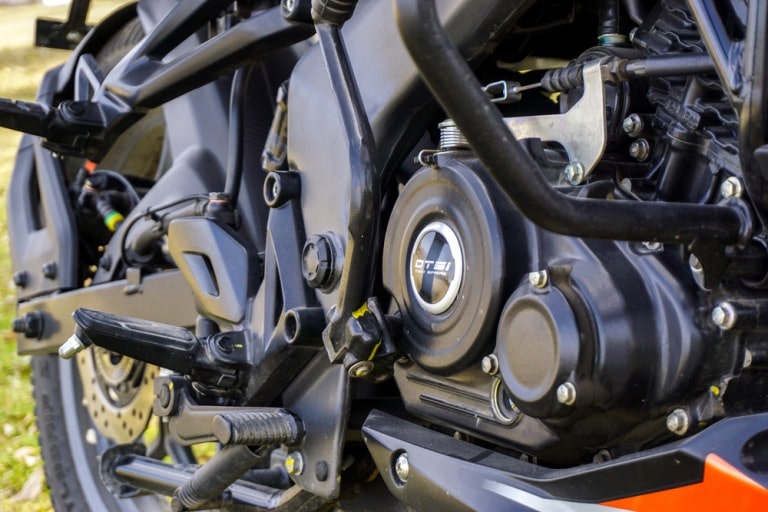
Kawasaki isn’t shy of overengineering its range of bikes, quads or watercraft to offer customers a unique riding experience.
From the supercharged H2R pushing over 300hp, the 100-plus ponies turning all four wheels on the Teryx KRX side-by-side, the trail-proven dirt credentials of the iconic KX series, or the water rocket that is the Ultra 310 jet ski, there’s a lot to get the blood pumping.
For fans of four wheels, look to Kawasaki’s detailed line of ATVS, UTVs and side-by-sides. The Japanese brand pioneered the sector with the now iconic KLT200 trike, the first “real” quad embodied in the Bayou, the first fully automatic ATV, the Prairie, and the sports-oriented KFX450R when ripping up trails at speed.
These have evolved into the now established Brute Force quads in varying engine displacement, and the Mule, Ridge and Teryx UTVs. Kawasaki has cornered the market with dependable reliability, leading frame and suspension setups, eye-catching designs and color schemes and grunty yet frugal engines.
All its quads are low maintenance, with a rich OE and aftermarket tending to replacement and upgrade parts. And if you ride your green machine like its meant to, one of the first parts you’ll be replacing are Kawasaki UTV axles. These, along with drive belts and brake pads are upgrades that restore stock performance and add that bit more.
Replacing and Upgrading Stock Axles
Kawasaki uses a Constant Velocity Transmission (CVT) in most of its quads to transfer power via the engine and clutch pulleys to turn driven axles and the wheels.
Axles are the multitaskers in that equation, supporting the weight of vehicle and rider, enabling turning and working with the suspension to soak up road bumps. And deal with the torque of high-spinning powertrains to get your quad to speed.
While built tough, stock Kawasaki ATV axles go through tremendous stresses. The shafts are built for higher fatigue limits, but it’s the CV boots and lost lubrication that throw up the most issues.
Leaking grease from cracked or punctured CV boots is the industry death knell, not sparing even the best built quads. The increased friction and heat of grinding metal-on-metal parts is enough to pulverize the bearings, seize CV joints and bend the shafts beyond recognition.
Common symptoms are screeching and humming noises when attempting minor maneuvers, harder gear changes, vibrations through the handlebars or steering wheel and in extreme cases of axles binding or snapping right off, a complete loss of power.
Yes, you can limp back to safety if the damage is limited to an undriven axle sin 2WD machines, but more often than not, you risk damaging A-arms, the steering linkages and clutch assemblies. That’s unless you have a working spare that you can get on on the spot, and continue riding.
Like all OE gear, you’ll be paying a premium for replacement Kawasaki UTV axles. The upsides are the clean fit, and more of the consistent performance that you’re used to. With that said, aftermarket parts makers come by the dozen, offered as tiered options to suit different needs and budgets.
Heavy-duty aftermarket axles are built around thicker shafts made of high-grade steel, spinning on industrial-grade bearings and wrapped in neoprene boots. The materials alone compared to the stock choices are miles ahead. Shafts endure more torque, higher loadings and frequent impact from road debris and obstacles without budging.
The CV joints and splines are machined for precision and easy fit, while the high temp grease packed inside the thicker boots keeps heat levels sane and prevents wear.
Pre-assembled units come in left and front and rear options to suit both 2 and 4WD Kawasaki quads. If you need superior performance for something like the high-torque engines in the Teryx or to match the hauling abilities of the Mule and the bigger variants of the Ridge, then go with extreme-duty axles.
These provide even thicker Chromoly steel shafts to deal with more demanding power and hauling issues that kill stock axles, heat-treated bearings for lower rolling resistance and higher strength, CNC-machined joints that also increase approach and departure angles in tough terrain, even thicker puncture-resistant neoprene boots and industrial-grade moly grease that keeps all parts cool and working flawlessly.
Smoother Power with the Right Drive Belt
The CVT transfers power via drive belts. These maximize torque while keeping RPMs steady, so offer a good balance of longevity and performance. Connecting the primary and secondary clutches means belts are spinning at exceptionally fast speeds, are constantly stretched and squashed to keep gear ratios right for the engine load, and endure severe heat and wear.
Common issues are overheating and increased friction, damage to cogs, teeth and tensile cords, contamination from mud, water, sand etc. and misalignment. Once the quad starts losing power do you know that the belt is due for replacement.
Aftermarket options get more out of your Kawasaki, and like axles, are offered as heavy-duty and extreme-duty replacements. Both have revised designs and improved materials to cope with higher temperatures and constant elongation and contraction at high RPMs.
Heavy-duty belts offer smoother power transfer in sub-700cc machines, such as the Brute Force 450 and the full KFX youth range.
While full-sized ATVs and UTVs in the Kawasaki catalog with bigger displacement engines (averaging 1000cc) get more power down in extreme-duty belts built with composite or synthetic tensile cords, hard-wearing synthetic rubbers to reduce wear and damage, and fabric covers to prevent debris and water infiltration. They’re made to last, without cutting out all the fun.
Choose replacement belts based on tooth count and specified lengths to ensure a clean fit and functionality. Also check the belt’s power rating. And break it in the first few miles so you know it lasts past its warranty.
Safer Braking with Aftermarket Brake Pads
Mud, dirt, sand, oil, water, steep descents, heavy loads and getting to a safe stop from high speeds punish your brakes, especially the pads. Most current Kawasaki quads have disc brakes, with the rare exception of the rear drums on the youth models.
But even these rely on the higher stopping power of discs and pads at the front axle. Inspect the brakes and pads after every ride, and change the pads yearly.
Or when you notice common signs of failure, including noises when applying the pedal, a soft or spongy lever or pedal feel, longer than usual braking distances, the quad veering left or right while braking and vibrations through the wheels. This often points to worn friction material in the pads, and an exposed backing plate.
Ceramic sets offer some of the braking performance. Ceramic pads offer crisp actuation, are extremely quiet and don’t wear out the discs, but do need some time to warm up to get to their best. Get these for shorter stopping distances, and less frequent parts maintenance.
Alternatively, metallic pads are somewhat cheaper, can handle the temperatures that come when braking from high speeds, offer good lever and pedal feel for shorter and safer stopping distances, but do get loud and eat into the disc faster. And they won’t last as long.
For the KFX quads, or even cheaper alternatives on quads for everyday rides, go with organic brake pads replacement sets. These are the most affordable, have good actuation for decent stopping times, but will struggle on bigger and high-powered Kawasaki ATVs ad UTVs. While gentle on disc surfaces, the do throw up considerable amounts of corrosive brake pad dust, so require more cleaning.
