
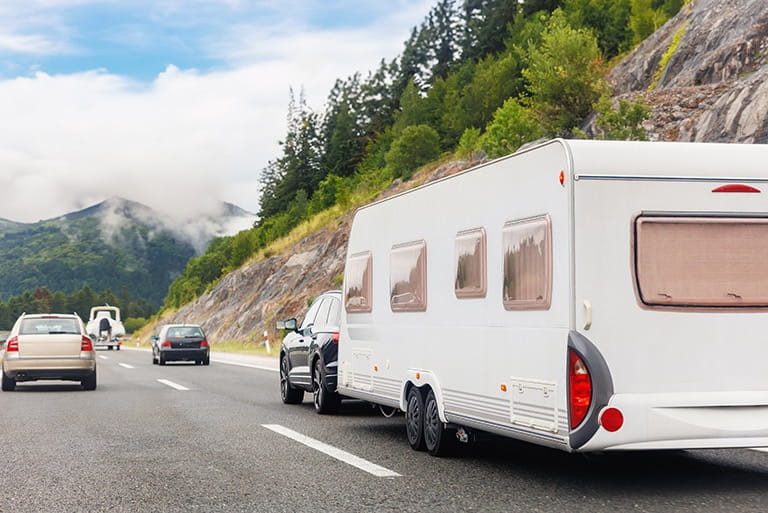
Planning an RV trip takes more effort than most people realize. Campsite reservations, route planning, packing, getting the tow vehicle looked at before you leave, and more. Most travelers have a system, and it works pretty well.
However, there’s one item that rarely makes it onto the checklist: trailer tires. This is an easy oversight, as drivers tend to focus more on the tow vehicle while ignoring the trailer. Usually, if the tires look fine and the wheels are turning, most people assume they’re good to go. This assumption has left plenty of families stranded on the side of the highway.
Trailer tires carry heavy loads for long distances while often sitting unused for months between trips. They wear out in ways that aren’t always visible from the outside and fail in ways that catch drivers off guard. So, before you finalize that packing list or book the perfect campsite, it’s worth taking a closer look at what’s keeping your trailer on the road!
The Difference Between a Great RV Trip and a Stressful One
RV travel takes a lot more planning than a standard road trip. You are managing more weight, equipment, and moving parts. If something goes wrong, you won’t be able to pull into a parking lot to sort things out. Instead, you will be stranded on the highway, possibly hours from the nearest service center, with a loaded trailer sitting behind you.
Towing puts a real strain on your setup. Brakes have to work harder, the hitch takes a beating, and everything connecting the trailer to the road is pushed further than it would on a regular drive. While most drivers tend to check their tow vehicle properly, they often overlook the trailer tires.
Tires are one of the most common causes of roadside breakdowns for trailers and RVs. The good news is that most of these problems are preventable. It all starts with knowing what to look for before you leave.
Why Trailer Tires Matter More Than Most Travelers Realize?
Trailer tires are carrying the full weight of everything loaded into the trailer, mile after mile. On a long drive, that sustained load generates a lot of heat, which is one of the fastest ways to wear down a tire.
Additionally, trailer tires are built differently compared to tires on your car or truck. Passenger vehicle tires are designed for steering, handling, and comfort. Trailer tires, on the other hand, are designed specifically to handle heavy loads while being towed, meaning their construction, sidewall strength, and tread pattern all serve different purposes.
When a trailer tire fails at speed, the consequences go beyond a flat. The blowout will damage the trailer itself, throw off the balance of the entire rig, and create a dangerous situation for everyone on the road.

Trailer Tires vs. Standard Vehicle Tires: What’s the Difference?
Passenger vehicle tires are built with driving in mind. They are designed to handle acceleration, braking, and cornering, and a lot of their engineering goes into making that performance feel smooth and responsive.
On the other hand, trailer tires have a completely different job. They don’t steer or drive; they just hold up a heavy load and follow wherever the tow vehicle leads. That difference shapes everything about how they’re built.
Load capacity is one of the biggest differences. Trailer tires are rated to carry significantly more weight than a standard passenger tire of the same size. The sidewall construction is also different. Trailer tires have stiffer sidewalls, which prevent sidewall flex and keep the load stable. They are designed to resist sway, which can put stress on the tow vehicle.
Simply put, using the right tires for the job is one of those things that’s easy to get right and easy to ignore until it becomes a problem.
5 Trailer Tire Checks to Complete Before Every RV Getaway
Check Tire Pressure
Trailer tires lose pressure gradually, especially if the trailer has been sitting idle for a while. An underinflated tire builds up heat fast under a heavy load. That’s one of the main causes of blowouts. This is why it is important to check the tire pressure and follow the manufacturer’s recommended PSI before any long trip you are planning to take.
Inspect Tread Wear
Take a look at how the tread is wearing across the tire. Uneven wear, whether it’s heavier on one edge or showing bald patches in certain spots, usually indicates an inflation issue, alignment problem, or an overloaded trailer. If the tread is getting low or wearing inconsistently, it’s time to change the tires.
Examine Sidewalls
Check the sidewalls and look for anything that seems wrong. For example, cracks, bulges, and cuts are all red flags that should not be ignored. Sidewall cracking is especially common on trailer tires that spend long stretches parked in the sun or go through repeated freeze-thaw cycles.
Verify Load Ratings
Every trailer tire has a maximum load rating, and your tires need to handle the weight of a fully loaded trailer, not just an empty one. The load rating is located on the tire sidewall, and you should compare it against your trailer’s loaded weight. Overloading is a recipe for a blowout.
Check Tire Age
An old tire might look perfectly fine, but it should not be driven on. This is because rubber breaks down from the inside over time, regardless of how much tread is left. Most manufacturers recommend replacing trailer tires every five to six years. If you are unsure how old your tires are, look for the DOT code on the sidewall. The last four digits tell you the week and year the tire was manufactured.
Common Road Trip Conditions That Put Stress on Trailer Tires
A lot can happen between the driveway and the campsite. Here are conditions that put the most stress on trailer tires.
Summer heat: Hot pavement raises tire temperature quickly, and a tire that’s already running warm from a heavy load doesn’t need much more to push it into dangerous territory. If you’re still deciding where to go, some RV-friendly destinations are better suited for summer travel than others, but wherever you’re headed, the heat is something worth keeping in mind, especially on long stretches with no shade and stops.
Long highway drives: Trailer tires don’t get the airflow that drive tires do, so heat can build up and stick around. The longer the drive, the more that sustained stress adds up. This is why it’s important to have regular stops, to give the tires a chance to cool down.
Mountain terrain: If off-roading is part of the plan, the stakes are even higher. Steep grades, sharp turns, and the added strain of climbing put pressure on tires in ways that flat highway driving doesn’t. Downhill stretches can be just as hard on them, especially with a heavy trailer pushing from behind.
Rough roads: Potholes, gravel, uneven pavement, and unpaved campground access roads all put impact stress on tires and sidewalls. Although this is sometimes unavoidable, it is worth slowing down when the road gets rough.
Keep in mind that the more weight you carry, the harder every one of the above conditions hits. An overloaded trailer turns manageable stress into a real risk, which is why staying within your tire’s load rating is important.
When Should You Replace Trailer Tires?
Knowing when to replace trailer tires is just as important as knowing how to maintain them. Some signs are obvious; others are easy to miss, especially when you are not sure what you are looking at.
One of the clearest signs is visible damage. For example, cracks on the sidewall, bulges, cuts, or anything that simply looks off is a good reason to get your tires checked by a professional.
Tread wear is also a straightforward sign. If the tread is worn down or wearing unevenly across the tire, replacement is necessary. Uneven wear usually points to a bigger issue like chronic underinflation or an overloaded trailer, so it’s worth figuring out the cause before putting new tires on.
Additionally, a tire that keeps losing pressure is something that should be addressed. A slow leak under load is a blowout just waiting to happen.
If something starts to feel odd while towing, the tires are a good place to start looking for issues. Even if your tires look perfectly fine, you still need to consider their age. Most manufacturers recommend replacing trailer tires every five to six years, regardless of tread depth.
Other RV Essentials to Check Before Hitting the Road
Getting the tires sorted out is a great start to a trouble-free road trip. However, there are other things you should consider. Here is a simple RV road trip checklist to go through before getting on the road:
Brakes: Make sure to test your brakes! Trailer brakes take on a lot of responsibility when you’re hauling a heavy load, and you want to make sure they’re working before you end up needing them.
Lights: Brake lights, turn signals, and running lights; have someone walk behind the trailer while you test each one. This is a quick check that keeps you legal and visible on the road.
Hitch connections: Make sure the hitch is properly seated, the safety chains are secured, and the trailer is level. A loose connection is one of those things that gets worse the longer you ignore it.
Wheel bearings: Although wheel bearings do not need attention every trip, it’s worth checking out before putting serious miles on the trailer. Bearing failure can cause wheel separation, which is as bad as it sounds.
Battery systems: Check the trailer battery before you leave and make sure it’s holding a charge. If you’re running fridge, lights, or any other electronics off it, you want to know they’re working before you’re two hours from the nearest town.
Emergency supplies: A spare tire, jack, lug wrench, jumper cables, basic toolkits, and a first-aid kit are a must. If you don’t have these on the trailer, now is the time to add them.
GPS and route planning: Know your route before you leave, including height and weight restrictions if you are passing through areas with low bridges and weight-limited roads. Plan your fuel stops, especially if you are heading somewhere remote.
Conclusion
The best RV road trips are the ones where nothing goes wrong, and a lot of that comes down to what you do before you leave the driveway. From checking the hitch and testing the brakes to going through your gear and necessities, it’s all important.
That said, trailer tires often get overlooked, partly because they tend to look fine, and most people don’t think about them the same way they do about the rest of the setup. Just a few minutes of inspection before a trip can prevent a blowout, an unplanned stop in the middle of nowhere, and the kind of delay that eats into the trip you spent weeks planning.
After going through your usual road trip checklist, make sure to also check the tire age and pressure, look at the tread, and examine the sidewalls. This is a small thing to do before a long trip, and it’s the kind of small thing that actually matters.
