
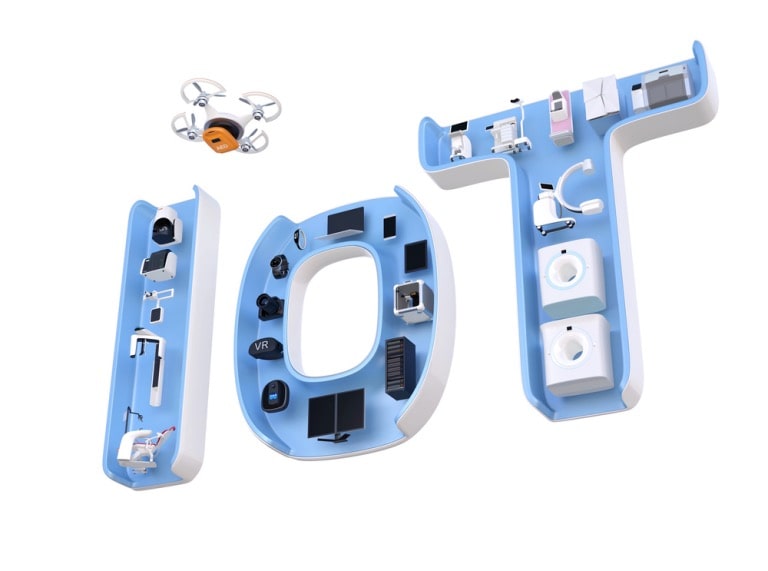
The field of healthcare is currently experiencing a transformation driven by advancements. Among the innovations are healthcare solutions based on the Internet of Things (IoT). These intelligent and connected devices do not streamline operations. Improve patient care but also significantly enhance diagnostic accuracy.
By gathering and analyzing real-time data, IoT devices provide insights leading to precise and timely diagnosis. Let’s explore how IoT healthcare solutions are changing diagnostics, showcasing their advantages, applications, and real-world effects.
IoT technology has become a component of healthcare by interconnecting various devices and systems to establish a unified intelligent network. This interconnected setup enables data collection monitoring in real-time and advanced analytics. All critical for ensuring accurate diagnostics.
Real-Time Data Collection
A major benefit of incorporating IoT in healthcare is its capability to gather real-time patient data. Wearable gadgets like smartwatches and fitness trackers constantly monitor signs and health indicators, transmitting this information to healthcare professionals.
Individuals dealing with conditions such as diabetes or heart ailments can utilize devices to continuously track their blood sugar levels or heart rates.
Real-time data plays a role in helping doctors identify abnormalities at a stage and make timely adjustments to treatment plans, which ultimately enhances the accuracy of diagnoses.
Advanced Analytics and AI Integration
The integration of analytics and AI with devices addresses the challenge of handling large volumes of data efficiently. By leveraging AI and machine learning technologies, intricate patterns and trends within the data can be revealed, offering insights that might otherwise go unnoticed.
For instance, AI algorithms are capable of analyzing data from devices to forecast the emergence of conditions such as arrhythmias or asthma attacks. This proactive approach provides alerts to patients and healthcare providers, leading to improved outcomes and enhanced patient care.
IoT in Diagnostic Accuracy
IoT healthcare solutions extend to applications aimed at enhancing precision across diverse medical domains.
1. RPM
One such application is monitoring (RPM), which empowers healthcare professionals to monitor patients’ health status beyond conventional clinical environments. Through devices that track signs, medication adherence and lifestyle factors a comprehensive overview of a patient’s health can be obtained.
In operative scenarios, IoT devices can monitor a patient’s recovery progress by continuously tracking metrics like blood pressure, temperature, and oxygen levels. Any deviations from expected ranges trigger intervention, mitigating potential complications and ensuring accurate diagnoses occur promptly.
2. Telehealth
The use of telehealth supported by the Internet of Things (IoT) allows for consultations and remote diagnosis, enhancing accessibility and efficiency in healthcare. IoT devices play a role in providing data for diagnosing conditions from a distance, reducing the necessity for face-to-face visits.
For instance, during the times of COVID-19, telehealth emerged as a crucial support system for numerous patients. With enabled devices doctors could remotely monitor symptoms like rates and oxygen levels. This not only ensured care but also improved diagnostic accuracy without putting patients at risk of potential infections in medical facilities.
3. Diagnostic Imaging Advancements
IoT technology is transforming imaging through its integration with equipment such as MRI machines, CT scanners, and X-ray systems. These integrations enhance image quality, streamline processes, and offer real-time data for analysis.
For example, an MRI machine can constantly adjust imaging parameters to maintain image quality. The real-time data collected can be assessed using AI algorithms to identify areas of concern and assist radiologists in making diagnoses.
Real World Impact of IoT Healthcare Innovations
The influence of IoT healthcare solution on precision is becoming increasingly apparent across practical scenarios. These advancements are not just enhancing outcomes. Also, reshaping how healthcare services are delivered.
Case Study: Philips HealthSuite
The Philips HealthSuite is a cloud-based platform that connects devices to offer thorough patient monitoring and management. By combining data from devices, home monitors, and hospital equipment, HealthSuite provides insights that improve diagnosis precision and patient care.
For instance, in a trial involving individuals with heart disease, Philips HealthSuite allowed for monitoring of heart rate and rhythm. The platform’s AI algorithms identified signs of arrhythmias, enabling interventions and reducing the risk of severe cardiac events.
Case Study: Medtronic Guardian Connect System
Medtronic’s Guardian Connect System is a powered continuous glucose monitoring (CGM) system designed for diabetes management. This system delivers real time glucose readings and predictive alerts to assist patients and healthcare providers in managing blood sugar levels.
For example, the predictive alerts from the Guardian Connect System have been proven to decrease the occurrence of hypoglycemia by offering warnings that lead to prompt corrective actions. This system showcases how IoT can boost accuracy and enhance patient outcomes.
Conclusion
IoT healthcare solutions are revolutionizing the field in diagnostics. Through real-time data collection, advanced analytics, and remote monitoring capabilities, these technologies are elevating precision. Improving patient care.
With the progress in AI and connectivity, the possibilities for applications in healthcare are expanding, leading to a more accurate, streamlined, and patient-focused diagnostic process. It is crucial for healthcare professionals to adopt these advancements to enhance results and cater to the changing requirements of patients in today’s era.
