
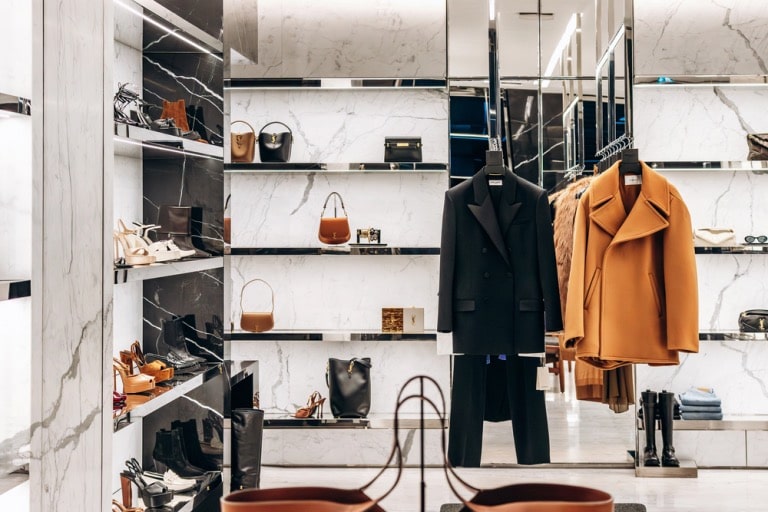
The luxury resale market has skyrocketed in recent years. From rare watches to iconic handbags, pre-owned luxury goods are attracting buyers worldwide.
But this boom has a downside: counterfeit goods are slipping into the mix. Buyers and sellers alike face risks of fraud and financial loss.
This is where blockchain steps in. So how does it work, what changes can it bring, and who stands to benefit from its implementation? Here’s a closer look at all you need to know.
How Blockchain Verifies Authenticity in Luxury Resale
Blockchain is a digital ledger that records every step of an item’s journey, from creation to resale. It ensures that information remains tamper-proof and accessible to authorized users.
Blockchain verifies authenticity by:
- Recording product details like serial numbers, materials, and production dates directly on the chain.
- Storing ownership history securely for buyers to confirm provenance before purchase.
- Preventing forgery by linking physical items with scannable digital certificates or QR codes.
For example, brands like LVMH and Prada use blockchain platforms to instantly verify their products’ origins for customers. This builds trust in luxury resale transactions without needing third-party verification services.
Having this immutable record available at every stage of resale lets buyers gain confidence in their investments, while sellers can easily prove legitimacy.
Legal Implications and Compliance Challenges of Blockchain in Resale
Using blockchain in luxury resale involves legal considerations that buyers, sellers, and platforms must address. Working with a blockchain lawyer ensures compliance with laws surrounding digital records and international trade.
Key challenges include:
- Adhering to data protection regulations like GDPR when storing ownership details on the chain.
- Navigating intellectual property rights tied to brand names or digital certificates.
- Understanding tax implications for transactions facilitated through cryptocurrency payments linked to smart contracts.
For example, some regions require detailed asset declarations when reselling high-value goods internationally, which may complicate automated processes on decentralized platforms.
Without proper guidance from legal experts familiar with relevant regulations, parties risk disputes or penalties related to unauthorized recordkeeping practices. Addressing these challenges early protects investments while ensuring all activities meet local and global standards.
The Benefits of Transparency for Buyers and Sellers
Blockchain’s transparency offers clear advantages in the luxury resale market. Both buyers and sellers benefit from access to accurate, secure information. As the blockchain market is predicted to grow to almost $1 trillion within the next five years, such upsides fuel the rate of adoption.
Benefits include:
- Reducing fraud by providing a verifiable chain of ownership for each item.
- Allowing sellers to command higher prices with proof of authenticity.
- Helping buyers avoid counterfeit risks through easy verification tools.
When everyone involved can view an unchangeable record, trust is the foundation of every transaction. Platforms like Arianee already offer blockchain solutions that make it simple for resellers to authenticate items and build buyer confidence.
For collectors or investors purchasing high-value pieces, this transparency is critical in ensuring they get what they pay for without unnecessary doubts or intermediaries disrupting the process.
How Smart Contracts Simplify the Luxury Exchange Process
Smart contracts, powered by blockchain, automate transactions between buyers and sellers. They remove the need for middlemen while ensuring secure and transparent exchanges.
Smart contracts streamline processes by:
- Automatically releasing funds once an item’s authenticity is verified on the blockchain.
- Ensuring all agreed conditions are met before completing a transaction.
- Reducing disputes through predefined terms that cannot be altered post-agreement.
For instance, if a buyer purchases a luxury watch through a resale platform using smart contracts, payment is only processed after the digital certificate stored on the chain is verified. This eliminates room for human error or tampering during authentication steps.
This level of automation saves time and costs for both parties while safeguarding trust in high-stakes transactions, which is essential when dealing with premium items worth thousands or even millions of dollars.
Final Thoughts
As we’ve shown, blockchain is revolutionizing the luxury resale market by offering secure solutions to verify authenticity, prevent fraud, and streamline transactions. Buyers gain peace of mind knowing their investments are genuine, while sellers build trust with clear proof of legitimacy.
With tech progress continuing apace, collaboration between blockchain platforms, brands, and legal experts will be essential for widespread adoption. Embracing these innovations now helps protect high-value assets in an ever-growing secondary market for luxury goods.
