
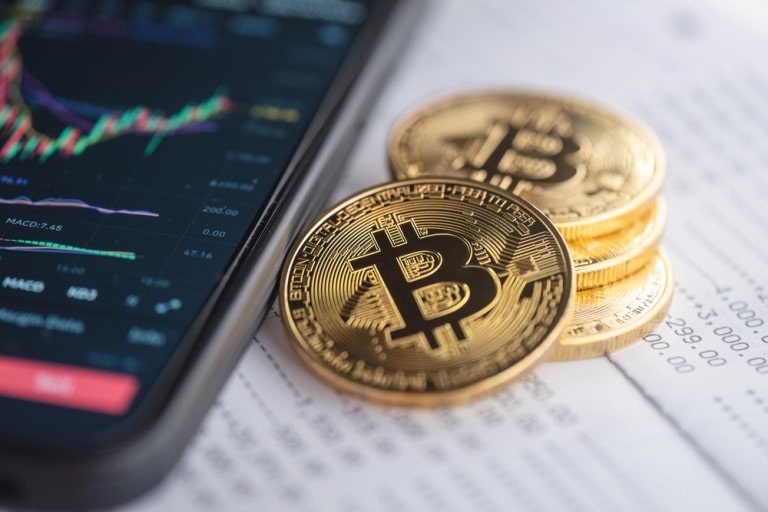
Cryptocurrencies have come a long way since the world was first introduced to Bitcoin. It’s hard to believe that they have been with us for over fifteen years already. No longer a niche, speculative industry, there are now a staggering amount of cryptocurrency coins out there, with more being released all the time.
While the likes of Bitcoin and Ethereum have become established digital assets now that are worth thousands, there are tens of thousands of other coins out there that are worth very little. With all the choices out there now and their widely varied prices, it’s not always apparent what factors determine which coins become valuable and which don’t.
Understanding what makes some cryptocurrencies expensive while others remain cheap is key to making informed investment decisions. Here’s a closer look at the factors that impact a coin’s price.
Supply and Circulating Coins
The colossal growth of the crypto industry has created a massive amount of supply. With all the coins now in circulation and more people than ever looking to start their own crypto investment portfolios, there’s also a large demand geared toward undervalued cryptos for maximum gains.
According to Kosta Kostadinov, these cheaper coins are a big draw for crypto enthusiasts as they represent a small investment that comes with the potential for spectacular returns.
It’s always a good idea to do your due diligence before investing. For those that do, the chance of buying into a coin that might blow up is always a possibility. However, a large factor that determines how high a coin’s value can go is its supply.
Bitcoin, for example, has a fixed supply of 21 million coins, making it scarce. This limited supply helps drive up its price as demand increases. Many other cryptocurrencies, especially newer ones, have much larger supplies, often in the billions or even trillions of coins.
When a cryptocurrency has a high circulating supply, its individual price tends to be lower because there are so many units available. This economic principle has always been true of value when it comes to currency circulation and cryptocurrencies are no different. For fiat money, for governments that make the mistake of printing too much money, devaluation of that currency is the natural consequence.
However, crypto can work a little differently. Just because a coin has a large supply, and is undervalued as a result, doesn’t necessarily make it worthless. In fact, Coins like Shiba Inu and Dogecoin are examples of this, with trillions of tokens in circulation.
While these coins can still increase in value, their large supply makes it difficult for their price per coin to reach the levels of Bitcoin or Ethereum. However, that doesn’t mean holders of these coins can’t still make large profits from them.
Market Demand and Adoption
On the other hand, just as the laws of supply and demand affect all financial markets, a coin’s value is also driven by market demand. Volatility notwithstanding, having proven themselves as robust investments, Bitcoin, Ethereum, and Solana have built solid reputations as a result. They have since gone on to establish institutional backing and now have a wide scope of real-world applications and use cases.
These factors keep their values high. The opposite is true of lesser-known coins. Without having this kind of goodwill behind them, they lack the kind of adoption needed to make serious gains. For those coins that do attain relative mainstream adoption, by being used as a payment method or integrated into financial systems, their demand naturally increases.
The knock-on effect of this can cause a coin’s value to jump significantly. Without this, in most cases, their values are destined to remain low regardless of their supply. In this unique economic environment, investor confidence also plays a huge role. When people believe in a coin’s future potential, they are more likely to buy and hold, pushing its price up.
Use Cases and Utility
Given how expansive the applications of blockchain technology have grown, use cases are among the main factors that can affect a coin’s value. Those without this are forced to remain speculative assets. However, the nuances of crypto also mean that other factors like buzz and even social media trends can still cause a coin’s value to rise.
Despite this, in terms of investment potential, factors like buzz cannot be relied on so use cases and social utility remain priority factors. For example, Bitcoin is often considered digital gold, while Ethereum powers smart contracts and decentralized applications. These real-world uses contribute to their high valuations.
On the other hand, for tens of thousands of altcoins, the reality is they merely exist in a digital realm that is void of any clear purpose. This is why some meme coins become popular simply from social media and online communities that generate buzz around them. Beyond this, they don’t actually have any intrinsic value.
The danger with buzz and hype is that, while this can lead to short-term price spikes, it does not create long-term value. Coins with solid technology, strong developer teams, and real-world applications tend to hold their value better than those that rely on speculation alone.
Regulation and Market Perception
Regulation, political stances, and policies also influence crypto prices. Bitcoin and Ethereum have been accepted by many institutions, helping solidify their legitimacy. Meanwhile, newer and smaller coins often face regulatory uncertainty, which can prevent them from gaining widespread adoption.
If a cryptocurrency is banned or faces legal challenges, its price can drop significantly. Investors tend to avoid high-risk assets that might be subject to government crackdowns.
On the other hand, when a country or major financial institution embraces a cryptocurrency, its price often rises. Market perception matters—if a coin is seen as reliable and useful, investors are more likely to buy in, increasing its value over time.
Speculation and Market Trends
Many cryptocurrencies experience price swings due to speculation and market trends. Hype can drive prices up quickly, as seen with meme coins like Dogecoin and Shiba Inu. Social media, influencer endorsements, and sudden spikes in interest can cause dramatic increases in value. However, speculative price surges are often short-lived, and prices tend to fall once the excitement fades.
Market cycles also play a role. When Bitcoin and Ethereum experience bull runs, smaller coins often follow, gaining value as investors seek high returns. During market downturns, most cryptocurrencies lose value, especially those with weak fundamentals.
Speculation can create big opportunities, but it also leads to volatility, making it important for investors to distinguish between hype and long-term potential.
