
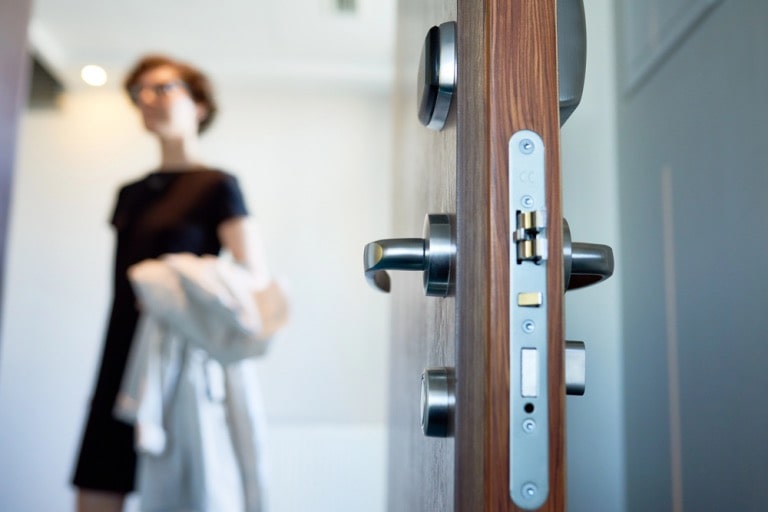
Door hardware has historically served as a passive element in building design, fulfilling basic locking and opening functions. Today, however, it plays a pivotal role in the overall security infrastructure of commercial and institutional properties.
With increasing awareness of both physical and cyber vulnerabilities, decision-makers are re-evaluating how hardware contributes to access control, emergency readiness, and operational efficiency.
Modern door hardware now merges mechanical reliability with digital intelligence. Innovations such as keyless entry, biometric authentication, and wireless access control systems are quickly becoming industry standards.
These developments not only simplify access for authorized personnel but also offer robust deterrents to unauthorized entry. When paired with centralized monitoring platforms, these systems provide real-time oversight that enhances building-wide security posture.
The expectations from door hardware systems have significantly shifted. No longer seen as standalone components, they are integrated into broader ecosystems of building automation and safety compliance.
Whether in office towers, healthcare facilities, or educational institutions, smart hardware solutions are now central to achieving regulatory adherence and operational excellence. This shift reflects a broader trend toward proactive security strategies that minimize risks while optimizing user convenience.
Smart Technology and the Rise of Intelligent Access
In recent years, the integration of smart technologies into access control systems has gained tremendous traction. These innovations have been driven by advancements in IoT, cloud computing, and AI, which together have enabled a new generation of door hardware solutions.
Electronic locks that can be controlled remotely, doors that track usage patterns, and systems that sync with employee scheduling software are just a few examples of how traditional boundaries are being redefined.
Businesses are increasingly drawn to the scalability and data-rich insights offered by these smart systems. Facility managers can now analyze traffic data to optimize security protocols and staffing needs.
Moreover, access permissions can be tailored down to the individual, providing unparalleled precision and minimizing the risk of internal breaches. These tools also allow for real-time alerts, ensuring that security teams are immediately notified of any anomalies, whether it’s a door left ajar or an attempted forced entry.
The commercial sector, in particular, is experiencing a surge in demand for comprehensive access solutions. Organizations across industries are recognizing the value of working with a trusted commercial doors and hardware supplier who can deliver both high-performance hardware and expert consultation.
USA Fire Door, for example, supports clients nationwide with top-tier products and industry knowledge that help streamline the procurement and implementation process. For businesses looking to scale smart access infrastructure across multiple locations, such strategic partnerships are indispensable.
Enhancing Compliance and Meeting Code Requirements
Building and fire codes across the United States have grown more stringent, necessitating that facilities not only protect occupants but also provide safe, clear egress in emergency situations.
Door hardware plays a vital role in meeting these code requirements. From panic hardware to ADA-compliant lever handles, every piece must align with local regulations and standards such as those established by the NFPA, ICC, and ANSI.
Facility operators must be diligent in selecting hardware that satisfies both functional and legal requirements. For example, healthcare facilities often need anti-ligature hardware for behavioral health environments, while schools might prioritize intruder locks and lockdown functionality.
Each setting introduces unique variables, all of which must be addressed with appropriately rated components and system integrations. The implications of non-compliance can be severe, ranging from liability exposure to operational shutdowns.
Inspection, maintenance, and documentation are equally important in maintaining code-compliant hardware systems. Even the most advanced access system can fail if not properly installed or routinely checked.
Many organizations are now employing digital asset management platforms to monitor the condition and compliance of their access points, helping to ensure consistent performance and regulatory alignment. With the right strategy, door hardware can support not just access, but also accountability and long-term risk mitigation.
Integrating Access Control with Building Systems
Modern facilities are embracing a more holistic approach to building management, where different systems operate in concert rather than in isolation. Integrating door hardware with HVAC, lighting, fire alarms, and video surveillance creates a more responsive and energy-efficient environment.
Such integration allows buildings to adapt to real-time conditions, improving both security and operational efficiency. When an access control system is synced with HVAC, for instance, heating and cooling systems can adjust based on occupancy data derived from door usage.
Similarly, integrated lighting controls can improve energy savings while enhancing occupant safety during off-hours. In emergencies, the synchronization of door locks with fire or lockdown alarms ensures rapid and automatic responses that protect lives and property.
The challenge lies in ensuring that all systems communicate seamlessly and securely. Open architecture platforms and standardized communication protocols have made this easier, but careful planning is still essential.
IT and security teams must work closely with facility managers to select hardware and software that can scale and integrate without conflict. The result is a unified building ecosystem that supports both physical access and digital intelligence.
Balancing Aesthetics with Functionality
In high-end commercial environments, aesthetics can be just as important as performance. Architects and designers often face the challenge of specifying door hardware that aligns with a building’s visual language while maintaining durability and compliance.
Fortunately, modern manufacturing techniques and materials science have made it possible to deliver form and function without compromise. Manufacturers now offer a wide array of customizable finishes, sleek profiles, and concealed mounting options that elevate the visual impact of door systems.
Stainless steel, bronze, and matte black finishes are frequently used in hospitality and corporate settings where design is a key brand differentiator. Hardware that disappears into its surroundings or complements other architectural elements contributes to a cohesive interior design narrative.
Despite this focus on aesthetics, functionality must always remain paramount. The most visually appealing handle or hinge is of little value if it fails during a security breach or emergency evacuation.
That is why designers increasingly collaborate with security consultants and specifiers during the early stages of planning. This multidisciplinary approach ensures that every element serves both the creative vision and the technical needs of the building.
Sustainability and the Lifecycle of Door Hardware
Sustainability has emerged as a critical consideration in all aspects of construction and design, and door hardware is no exception. The environmental impact of materials, the energy efficiency of electronic components, and the durability of hardware over time all contribute to a building’s overall sustainability score.
Products that carry certifications such as GREENGUARD or Declare Labels help ensure that access solutions align with green building standards. Beyond materials, the operational efficiency of door systems also factors into sustainability goals.
Electrified locks and access readers with low power consumption help reduce a building’s energy footprint. Battery-powered solutions are increasingly offering extended lifespans and can be integrated with energy harvesting technologies, further reducing reliance on external power sources.
Lifecycle considerations are equally important. Hardware should be built to last and designed for easy maintenance and end-of-life recycling.
Facility owners are increasingly choosing modular systems that allow for individual component replacement, minimizing waste and cost. As buildings transition to more sustainable models, door hardware must evolve to support not just access control but also environmental responsibility.
Preparing for the Future: Trends and Innovations
The next generation of door hardware is already taking shape, influenced by ongoing advances in artificial intelligence, biometrics, and materials engineering. Facial recognition, voice-activated entry, and behavioral analytics are poised to redefine the very concept of secure access.
These technologies promise even greater precision and personalization, minimizing friction while maximizing safety. Cybersecurity is also becoming a vital aspect of access control innovation.
As door hardware systems become more connected, they are increasingly susceptible to digital threats. Manufacturers are responding by embedding stronger encryption, regular firmware updates, and secure boot protocols. Businesses must treat access control not only as a matter of physical security but as a critical point in their cybersecurity architecture.
Looking ahead, adaptability will be key. Facilities that adopt modular and upgradeable hardware solutions will be best positioned to incorporate emerging technologies without undergoing costly overhauls.
As access control becomes a more central part of smart building strategies, the line between hardware and software will continue to blur. Leaders in this space will be those who anticipate these shifts and invest in future-proof, intelligent solutions.
