
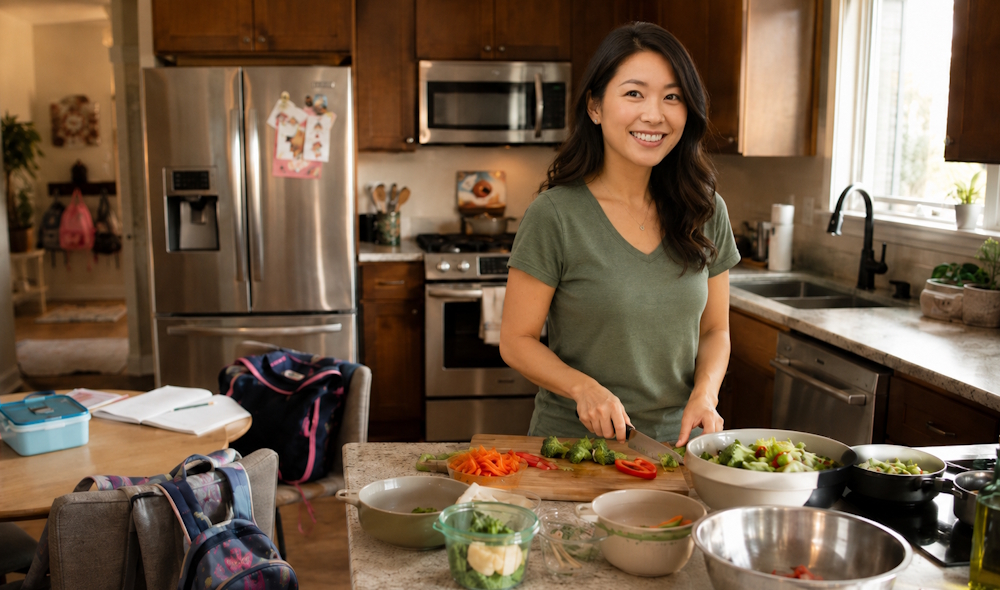
When you are a busy mom of four, the kitchen can feel like the busiest room in the house. Between school mornings, after-school activities, packed lunches, dinner prep, dishes, and the never-ending snack requests, your appliances work almost as hard as you do. Heck, even summers can get pretty hectic with my girls having soccer practice, music lessons, vacation, and the rest of the things that keeps our family busy and healthy.
As a mom living in Buford, Georgia, I know how quickly a normal week can turn hectic. One minute you are planning a simple dinner, and the next you are dealing with a packed refrigerator, a dishwasher full of breakfast dishes, an oven that has been running all afternoon, and kids asking what is for dinner.
That is why having a few simple dinner prep habits can make such a big difference. When your kitchen appliances are working overtime, the goal is not to create perfect meals every night. The goal is to keep your family fed, reduce stress, and make sure your kitchen can keep up with real life.
Start With a Simple Dinner Plan
A dinner plan does not have to be complicated. In fact, the simpler it is, the more likely you are to stick with it.
Choose three to five meals for the week and leave room for leftovers, sandwiches, breakfast-for-dinner, or takeout if life gets hectic. Try to balance meals that use different appliances so your oven, stovetop, slow cooker, air fryer, and microwave are not all being pushed hard at the same time.
For example, your week might look like this:
- Monday: Southern Fried Pork Chops and vegetables
- Tuesday: Slow cooker pulled pork sandwiches
- Wednesday: Pasta with a simple side salad
- Thursday: Leftover night
- Friday: Homemade pizza or flatbreads
This keeps dinner manageable and helps you avoid relying on the same appliance every night.
Prep Ingredients Before the Week Gets Busy
One of the easiest ways to make dinner faster is to prep ingredients in advance. You do not need to cook full meals ahead of time. Even small prep tasks can save a lot of stress later.
Wash and chop vegetables, portion out proteins, shred cheese, cook rice, or mix sauces ahead of time. Store everything in clear containers so you can quickly see what is ready to use.
I like to prep a few basics after a grocery run because it makes the rest of the week feel less chaotic. If the lettuce is already washed, the chicken is already portioned, and the fruit is easy for the kids to grab, dinner and snack time both run more smoothly.
This also helps your refrigerator work more efficiently because organized storage allows you to find ingredients faster and avoid leaving the door open too long.
Avoid Overpacking the Refrigerator
A full refrigerator is common after a big grocery trip, especially with a larger family. But an overstuffed fridge can make it harder for cold air to circulate. That can lead to uneven cooling and food that spoils faster than expected.
Leave a little space between items when possible. Keep dairy, meats, and leftovers in the colder areas of the fridge, and avoid blocking vents with large containers or bags of produce.
It also helps to check your refrigerator temperature. Refrigerators should generally be kept at or below 40°F, while freezers should be kept at 0°F. This helps keep ingredients safer for family meals and reduces the risk of food spoiling before you have a chance to use it.
Give Your Oven a Break When You Can
The oven is one of the hardest-working appliances during busy dinner seasons. Between casseroles, roasted vegetables, baked pasta, cookies, and sheet pan meals, it can run almost every day.
To reduce oven use, mix in no-bake, stovetop, slow cooker, or air fryer meals. You can also batch-cook several oven items at once. For example, roast vegetables while baking chicken, or cook two casseroles back-to-back while the oven is already hot.
This saves time and energy, and it keeps you from preheating the oven multiple times in one day.
Use the Dishwasher Strategically
When dinner prep is in full swing, dishes pile up quickly. Instead of waiting until the sink is overflowing, load the dishwasher as you cook.
Run full loads when possible, but avoid overcrowding. Plates, bowls, and utensils need enough space for water and detergent to reach them. If the dishwasher is packed too tightly, you may end up rewashing items, which wastes time and puts the appliance through extra cycles.
Check the dishwasher filter regularly, especially if you cook often. Food particles can build up and affect performance. I have learned that a quick filter check can save a lot of frustration later when cups and plates are not coming out as clean as they should.
Keep a Backup Dinner List
Even the best dinner plan can fall apart. Maybe the chicken did not thaw, the oven is occupied, the dishwasher is still full from breakfast and lunch, or everyone gets home later than expected.
A backup dinner list can save the evening.
Good backup meals include:
- Quesadillas
- Scrambled eggs and toast
- Grilled cheese and soup
- Pasta with jarred sauce
- Rotisserie chicken wraps
- Frozen vegetables with rice
- Tuna melts
- Loaded baked potatoes
- Breakfast burritos
- Turkey and cheese sliders
Keep the list somewhere easy to find, such as on the refrigerator or inside a pantry door. This helps everyone in the household know there is always a plan B.
Watch for Early Appliance Warning Signs
Busy kitchens can make small appliance problems more noticeable. Do not ignore signs that something may be wrong.
Common warning signs include:
- Refrigerator food not staying cold
- Freezer frost buildup
- Oven taking too long to heat
- Burners heating unevenly
- Dishwasher leaving food behind
- Microwave making unusual sounds
- Dryer taking longer than normal if you are washing kitchen towels often
Some issues may have simple causes, such as a dirty filter, blocked vent, or overloaded appliance. Others may need professional attention.
As a Buford mom, I know how disruptive it can be when the refrigerator, oven, or dishwasher starts acting up in the middle of a busy week. If your kitchen appliances are showing warning signs, contacting a local service for Buford Appliance Repair can help you deal with the problem before it turns into a bigger dinner-time disaster.
Clean as You Go
Cleaning as you go is one of the best habits for a busy kitchen. It keeps counters clear, reduces end-of-night cleanup, and helps your appliances stay in better condition.
Wipe spills from the stovetop once it cools. Clean the microwave after splatters before food hardens. Empty the dishwasher before starting dinner so dirty dishes have somewhere to go. Toss expired items from the fridge once a week.
These small habits keep your kitchen ready for the next meal.
Do Not Make Every Meal From Scratch
There is nothing wrong with using shortcuts. Pre-cut vegetables, frozen rice, jarred sauces, bagged salads, canned beans, and store-bought rotisserie chicken can all help you get dinner on the table faster. At first, at felt a bit guilty about using tricks like that but then, the guilt washed away as it made the meal prep much easier and even saved money in some cases when you buy bulk frozen veggies at the Sam’s Club on Buford Dr.
A realistic dinner plan is better than an ambitious one that leaves you stressed.
Try combining homemade elements with convenient ingredients. For example, use rotisserie chicken in tacos, frozen vegetables in stir-fry, or jarred marinara with homemade garlic bread.
In our house, easy does not mean lazy. It means I am choosing what works for our schedule, our budget, and our family that night.
Batch Cook Without Overwhelming the Kitchen
Batch cooking can save time, but it can also create a lot of dishes and appliance use at once. Keep it simple.
Instead of preparing five full meals, batch-cook flexible ingredients:
- Cooked chicken
- Ground beef or turkey
- Rice or pasta
- Roasted vegetables
- Hard-boiled eggs
- Washed salad greens
- Homemade sauce or dressing
These ingredients can become different meals throughout the week without requiring a huge cooking session.
For example, cooked chicken can become tacos one night, wraps the next day, and a quick pasta dish later in the week. That kind of flexibility makes dinner feel easier without making everyone feel like they are eating the same meal over and over.
Let Appliances Cool and Rest When Needed
Some appliances are designed for frequent use, but that does not mean they should be pushed carelessly. Avoid running back-to-back dishwasher cycles if the machine seems overheated. Let the oven cool before wiping spills. Do not keep the refrigerator door open while deciding what to cook.
These habits are simple, but they help your appliances perform better during busy weeks.
It also helps to teach kids small kitchen habits, like closing the refrigerator door quickly, scraping plates before loading the dishwasher, and letting an adult know if something sounds or smells unusual.
Make Leftovers Part of the Plan
Leftovers are one of the easiest ways to reduce appliance use and save time. Cook a little extra when making soups, pasta, casseroles, roasted meats, or rice dishes.
Turn leftovers into new meals so your family does not feel like they are eating the same thing again. Roasted chicken can become wraps, soup, quesadillas, or salad bowls. Cooked vegetables can go into omelets, pasta, or grain bowls.
Create a Calm Kitchen Routine
A calm kitchen routine does not mean your kitchen is always quiet or spotless. With kids, homework, sports bags, lunchboxes, and hungry people waiting, that is not always realistic.
But small routines can make dinner feel less stressful.
Try setting a regular time to start dinner, emptying the dishwasher before cooking, checking the next day’s meal before bed, or doing a quick fridge scan before grocery shopping.
Final Thoughts
When your kitchen appliances are working overtime, dinner prep does not have to feel overwhelming. A simple plan, organized ingredients, smart appliance use, and a few backup meals can make busy nights much easier.
The best approach is not about cooking perfectly every night. It is about creating a kitchen routine that supports your family, protects your appliances, and keeps dinner realistic.
As a busy mom of four, I have learned that some nights will go smoothly and others will not. That is okay. With a little preparation, you can make mealtime easier even during the busiest weeks.
Quick Dinner Prep Checklist
- Plan three to five realistic meals for the week.
- Prep vegetables, proteins, and sauces in advance.
- Avoid overpacking the refrigerator.
- Rotate between oven, stovetop, slow cooker, air fryer, and no-cook meals.
- Load the dishwasher as you cook.
- Keep backup meals on hand.
- Watch for appliance warning signs.
- Clean small messes before they become big ones.
- Use shortcuts when needed.
- Make leftovers part of your weekly plan.
- Keep frequently used tools within reach.
- Create a simple kitchen routine that works for your family.
FAQ
How can I make dinner prep easier during a busy week?
Start with a simple meal plan, prep ingredients ahead of time, and keep backup meals available. Focus on realistic dinners your family will actually eat rather than complicated recipes that require too much time or cleanup.
What should I do if an appliance stops working during dinner prep?
First, check simple issues like power, settings, blocked vents, or overloaded racks. If the problem continues, stop using the appliance if it seems unsafe and contact a qualified appliance repair professional.
Are leftovers good for meal planning?
Yes. Leftovers can save time, reduce food waste, and limit appliance use during the week. Use leftover proteins, vegetables, rice, or pasta in wraps, soups, casseroles, salads, or grain bowls.
