
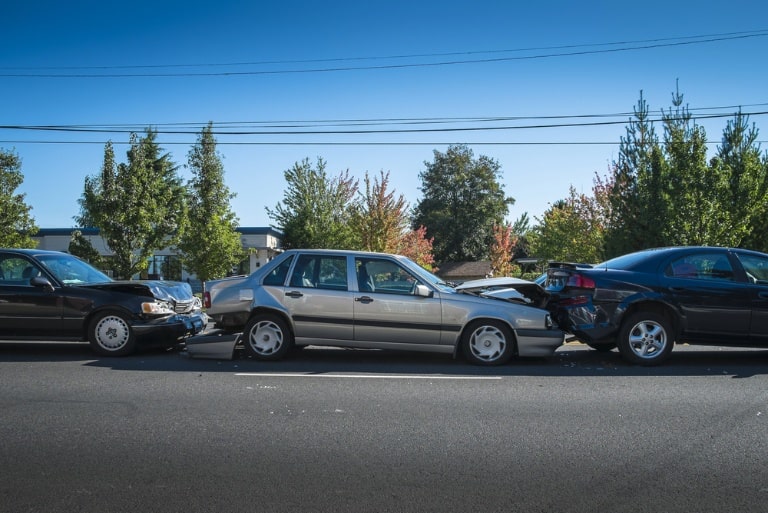
Chain-reaction crashes can happen in seconds but leave behind a complicated mess. Figuring out who’s at fault, and by how much, directly impacts how much compensation you receive. If you’re unsure where you stand, a Missouri car crash attorney can help clarify your rights.
What Is A Chain-Reaction Crash?
A chain-reaction crash involves three or more vehicles colliding with each other in sequence. One car rear-ends another, which pushes that car into the one in front, and so on. These crashes are common during heavy traffic or poor weather conditions.
Because multiple drivers are involved, determining fault isn’t straightforward. Each driver’s actions are reviewed to understand who contributed to the accident. Often, more than one person shares responsibility. This is where fault percentages come into play; they help distribute accountability and guide the insurance payout process.
Understanding Comparative Fault
Missouri uses a “pure comparative fault” system in car accidents. That means each driver’s compensation is reduced by their percentage of fault. So, even if you were partially at fault, you can still recover damages.
For example, if you were 20% responsible for a crash and suffered $10,000 in damages, you could recover $8,000. The other 20% would be deducted because of your role in causing the accident. This rule applies whether the crash involves two vehicles or five.
This system encourages fairness but also adds complexity to multi-car crashes. Determining fault in a chain-reaction event often takes time and detailed investigation.
How Fault Is Determined
Insurance companies and, in some cases, courts analyze the evidence to assign fault percentages. They look at police reports, dashcam footage, witness statements, and damage patterns. Each piece helps paint a picture of what happened.
In chain-reaction crashes, the first car to start the impact is often heavily blamed. But the following drivers may also be at fault if they were tailgating or not paying attention. Just because you were hit from behind doesn’t mean you’re 100% blameless.
Investigators attempt to determine which actions (or inactions) contributed to the chain of collisions. If more than one party shares fault, the damages are divided accordingly.
How Fault Affects Your Compensation
Your payout is directly tied to your assigned fault percentage. The lower your fault, the more compensation you can recover. Even if you’re primarily responsible, Missouri law still allows you to collect something.
For example, if you’re 60% at fault, you can still claim 40% of your damages. This is different from states that cut off compensation after 50% fault. In Missouri, partial fault doesn’t block you; it just reduces your award.
That said, insurance companies may try to assign you more fault to pay out less. It’s common for insurers to negotiate percentages, which can heavily influence your final payout.
Challenges In Chain-Reaction Crashes
One of the biggest challenges in these crashes is determining who was responsible for what. In some cases, one driver is clearly responsible for the entire sequence. But often, each car in the chain reacts too slowly or fails to leave enough room.
Rear-end crashes often assume the following driver is at fault. But what if the front car braked suddenly for no reason? Or what if the weather reduced visibility? These factors all influence how fault is divided.
Also, you may be dealing with multiple insurance companies, each defending its own driver. The process can drag on, and each company may argue different fault percentages to protect its client.
Why Legal Help Matters
Because fault percentages are negotiable, having someone on your side can make a big difference. A Missouri car crash attorney knows how to gather evidence, challenge unfair claims, and negotiate better outcomes. They can also determine whether a lawsuit is necessary.
Attorneys also help clarify confusing insurance language. If you’re overwhelmed by adjusters or unsure what’s fair, legal guidance is a smart move. You shouldn’t have to fight the system alone while recovering from injuries. With proper legal support, you stand a better chance of reducing your assigned fault and increasing your payout.
Conclusion
Fault percentages play a significant role in how much money you receive after a chain-reaction crash. Understanding how Missouri’s comparative fault system works can protect your financial recovery. For clear answers and strong representation, speak with a trusted Missouri car crash attorney.
