
In a time when sedentary lifestyles and screen time have become the norm, it is crucial to find innovative ways to keep kids active and engaged in physical education (PE) programs. Educators and administrators are rising to the challenge, implementing creative strategies that not only promote physical fitness but also foster a love for movement and a healthy lifestyle.
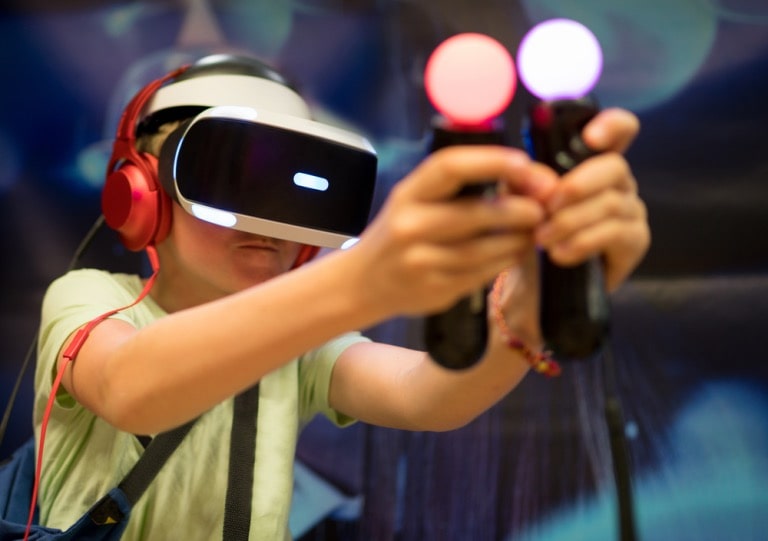
One such innovative approach is the integration of technology into PE classes. By leveraging digital tools and platforms, teachers can create dynamic and interactive learning experiences that captivate students’ attention. From fitness tracking apps that gamify exercise to virtual reality (VR) simulations that transport students to immersive fitness environments, technology is transforming the way PE is delivered.
Additionally, many schools are embracing the concept of “exergaming,” where video games are used as a means of physical activity. These games, which often involve motion-sensing controllers or dance pads, encourage kids to get up and move, blending the fun of gaming with the benefits of exercise. After such innovations, students will begin to order the writing of academic papers from specialized services, such as Assignment Geek, in order to spend more time on the move. By making physical activity enjoyable and engaging, these innovative approaches are helping to break down the barriers that often prevent children from participating in traditional PE activities.
Incorporating technology in physical education
The integration of technology in physical education has opened up a world of possibilities for engaging and motivating students. From wearable fitness trackers to interactive fitness apps, these digital tools are revolutionizing the way PE is delivered.
One innovative example is the use of fitness-tracking devices in PE classes. These devices, worn by students, can monitor their heart rate, steps taken, and other metrics, providing real-time feedback on their physical activity levels. Teachers can then use this data to personalize their instruction, helping students set and achieve their fitness goals. Also, these trackers can be linked to gamified platforms, where students can compete against themselves or their peers, adding an element of friendly competition that further encourages physical activity.
One more technology-driven approach is the use of virtual reality (VR) in PE. VR simulations can transport students to immersive fitness environments, such as hiking trails or rock-climbing walls, allowing them to experience physical activities in a safe and controlled setting. This not only adds an element of excitement and novelty to PE but also exposes students to a wider range of physical activities that may not be feasible in a traditional school setting.
Gamification in Physical Education
Gamification, the integration of game-like elements into non-game contexts, has become a powerful tool in physical education. By incorporating elements such as points, leaderboards, and challenges, educators can tap into students’ natural competitive instincts and make physical activity more engaging and enjoyable. One example of gamified PE is the use of fitness-based video games, or “exergames,” in the classroom.
These games require players to physically interact with the game, often through the use of motion-sensing controllers or dance pads. As students compete against each other or work towards in-game goals, they are simultaneously engaging in physical activity, making exercise feel more like play than a chore.
Another gamification strategy is implementing fitness challenges and rewards systems. Teachers can create challenges that encourage students to track their physical activity, with points or prizes awarded for meeting or exceeding certain goals. This approach not only motivates students to be more active but also fosters a sense of community and camaraderie as they work together towards shared objectives.
Outdoor and adventure-based physical education programs
Outdoor PE programs may include activities such as hiking, rock climbing, kayaking, and orienteering. These experiences not only promote physical fitness but also foster a connection with the natural world, teaching students valuable skills in teamwork, problem-solving, and risk management. Furthermore, the sense of adventure and exploration inherent in these activities can help to cultivate a lifelong love of physical activity and outdoor recreation.
Adventure-based PE programs, on the other hand, focus on challenging students physically and mentally through activities such as ropes courses, zip lines, and team-building exercises. These programs are designed to push students out of their comfort zones, helping them develop resilience, confidence, and a greater appreciation for the importance of physical fitness.
Creating inclusive physical education programs
In the pursuit of innovative physical education programs, it is essential to ensure that these initiatives are inclusive and accessible to all students, regardless of their physical abilities, backgrounds, or personal interests. Inclusive PE programs not only promote physical activity but also foster a sense of belonging and acceptance, empowering students to participate and thrive.
One key aspect of creating inclusive PE programs is adapting activities and equipment to meet students’ diverse needs. This may involve incorporating adaptive sports, such as wheelchair basketball or goalball (a sport designed for visually impaired individuals), or modifying traditional activities to make them more accessible. By providing a range of options and accommodations, educators can ensure that all students feel empowered to engage in physical activity and develop a lifelong love for movement.
Another important element of inclusive PE is the emphasis on social-emotional learning and the development of positive relationships among students. Through collaborative activities, team-building exercises, and opportunities for peer support, students can learn to appreciate and celebrate the unique strengths and abilities of their classmates, fostering an inclusive and welcoming environment.
