
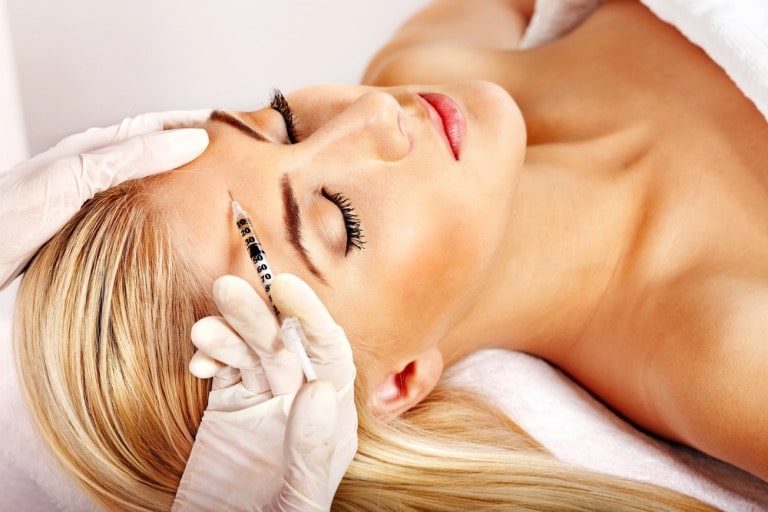
Fine lines don’t wait for permission. They show up uninvited, pulling down your confidence with every glance in the mirror. Restylane effects often show up within minutes—plumping lips, lifting cheeks, and smoothing stubborn folds with a precision that mirrors nature.
That quick shift isn’t magic. It’s hyaluronic acid doing what it does best: attracting moisture and creating volume. As a natural substance already found in the skin, it integrates well. Most Restylane procedures run under half an hour and offer visible changes almost immediately.
What Exactly Does Restylane Do?
Restylane treatments target facial wrinkles and folds like nasolabial folds and marionette lines. They’re also used for lip augmentation, cheek augmentation, and even under-eye volume. Some patients opt for Restylane Eyelight to reduce dark circles, while others go for Restylane Kysse to refine the upper lip or Restylane Silk for delicate perioral wrinkles.
In clinical studies, subjects reported adverse events that were typically mild, such as short-term swelling, injection site reactions, or minor bruising. These are common side effects across most facial fillers. Still, medical history should always be discussed, especially if you’ve had severe allergies, are on immunosuppressive therapy, or have bleeding disorders.
How Restylane Works Inside the Skin
Restylane injections deposit a gel-like substance made of hyaluronic acid beneath the skin. This instantly fills out volume underneath, reducing severe facial wrinkles and helping to restore facial features lost to the natural aging process. The results are immediate, though settling takes a few days.
Hyaluronic acid levels decline with age. That’s where Restylane fillers come in—helping maintain volume that would otherwise vanish with time. It’s also why repeated injections are often needed. Most people ask how many syringes are required or how many injections they’ll need. The answer depends on the area, the severity of volume loss, and the look you want.
Where Is Restylane Used Most?
Smile lines and facial wrinkles are common targets. The midface region is also affected, especially in patients with midface contour deficiencies. Restylane Lyft is frequently used here, while Restylane Refyne or Restylane Defyne works well for deeper folds and dynamic expression lines.
The lower lip and upper lip both benefit from subtle plumping. That said, avoid Restylane if you’ve experienced hypersensitivity reactions or allergic reactions to gram-positive bacterial proteins—the substance used in the production of Restylane fillers.
What to Expect After Injection
Most common side effects include redness, tenderness, or swelling at the injection site. Adverse events vary by individual, but typically resolve in a few days. Some people report at least one event, like mild bruising or an inflammatory reaction, especially after the first or second injection in a short timeframe.
Local anesthesia may be used to minimize discomfort during the procedure. Restylane results often last between 6 to 12 months, depending on the product and area treated. Sun exposure and natural aging both impact how long the effects last.
Risks, Warnings, and Realistic Expectations
It’s a medical procedure. While Restylane works well for many, there’s no one-size-fits-all outcome. Avoid using permanent fillers in the same area, and always go to a licensed practitioner. The risk of affecting blood vessels or encountering severe allergies is low but real.
Don’t expect to erase decades overnight. Restylane effects focus on softening and filling, not transforming. It’s ideal for people looking to reduce facial wrinkles and folds, correct midface volume loss, or add definition to lips and cheeks.
Final Thoughts
Confidence returns when your reflection matches how you feel inside. Restylane effects will soften facial wrinkles and restore volume underneath tired skin. By working with your body’s hyaluronic acid levels, Restylane treatments offer a natural-looking lift without dramatic changes.
Frequently Asked Questions
What are dermal fillers used for?
Dermal fillers are used to smooth wrinkles, restore lost volume, and define facial features affected by aging skin.
Are there risks of adverse reactions with Restylane?
Yes, some people may experience adverse reactions such as swelling, bruising, or tenderness at the injection site.
Can Restylane help with severe wrinkles?
Yes, Restylane is often used to treat moderate to severe wrinkles, especially around the mouth and cheeks.
How long do the results last after using Restylane to smooth wrinkles?
Results typically last between 6 to 12 months, depending on the product used and the area treated.
