
Protecting valuable equipment and assets is a priority for individuals and businesses. Whether it involves heavy machinery, office tools, or personal items, secure storage solutions provide peace of mind and prevent financial losses. Theft, damage, and environmental exposure can lead to costly setbacks, so it makes sense to explore reliable ways to safeguard these investments.
Modern storage methods have evolved beyond traditional locked spaces, offering advanced options that combine physical protection with digital monitoring. With the right approach, storage can be secure and accessible, ensuring assets remain in excellent condition when needed.
Lockable Storage Units for Versatile Protection
Lockable storage units offer a practical way to safeguard equipment and assets of all sizes. Facilities like Ellenbrook equipment storage provide secure spaces within self-storage complexes, combining accessibility with reliable protection. These units are designed to resist tampering, weather damage, and unauthorized entry, making them suitable for tools, machinery, or seasonal inventory.
Many self-storage locations allow flexible rental terms, giving users the ability to scale their storage needs as projects change. Reinforced doors, quality locks, and organized layouts help maintain order while keeping items safe. Choosing a storage unit that fits the type and volume of equipment ensures long-term protection and peace of mind.
Secure Warehouses for Large-Scale Storage
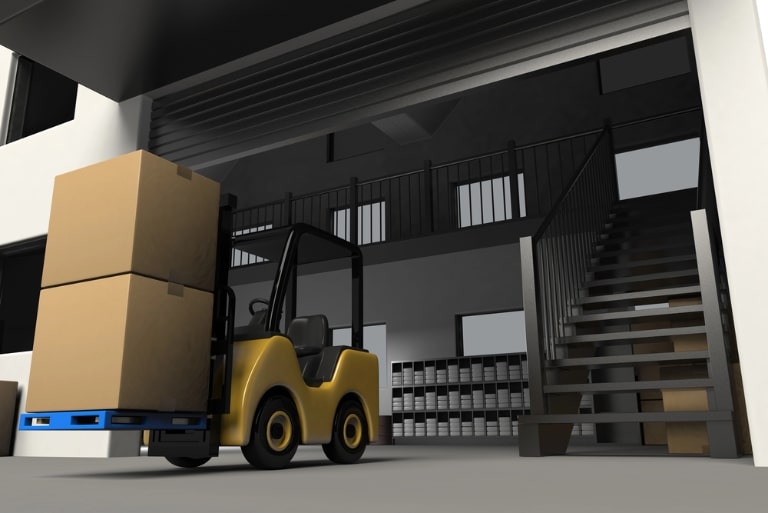
When managing large volumes of equipment or inventory, secure warehouses offer a practical and organized solution. These facilities are designed with robust infrastructure, including reinforced walls, security gates, motion sensors, and 24-hour surveillance. Many warehouses feature advanced fire suppression systems and on-site personnel to respond to emergencies.
For businesses that frequently rotate stock or move heavy items, the added space and professional management make warehouses a dependable option. Some providers even offer customizable areas within the facility, allowing companies to implement their own shelving, labeling, or tracking systems to match their operational needs.
Climate-Controlled Storage for Sensitive Items
Certain assets, such as electronics, documents, artworks, and specialized equipment, require environmental control. Climate-controlled storage facilities regulate temperature and humidity levels to prevent deterioration caused by moisture, dust, or extreme heat. This form of storage is particularly valuable for laboratories, hospitals, and creative studios where sensitive materials or instruments must remain stable.
Many facilities include air filtration and insulation systems, protecting against external pollutants. Beyond safety, these features help preserve the functionality and lifespan of assets, keeping them in optimal condition for future use.
Smart Storage Systems with Digital Monitoring
Technology has significantly improved how equipment and assets are stored. Smart storage systems incorporate sensors, cameras, and tracking devices that provide real-time updates on asset conditions and locations. For example, GPS-enabled containers can alert managers if a unit is moved unexpectedly, while RFID tags allow for automated inventory tracking.
Some systems even connect to mobile apps, offering instant notifications about temperature changes, unauthorized access, or other irregularities. Businesses benefit from reduced manual oversight and increased accountability, as every movement or access attempt is logged digitally. Combining physical security with intelligent monitoring provides a well-rounded approach to asset protection.
Portable Containers for On-the-Go Security
Portable containers have become a favored choice for industries that operate across multiple locations. Construction firms, event organizers, and logistics companies often need to store tools, materials, or equipment on-site. Portable storage containers provide a balance of mobility and security, featuring lockable doors, reinforced structures, and weather resistance.
They can be transported easily using trucks or cranes, making them ideal for temporary projects. Many modern containers are fitted with digital locks and tracking devices, offering the same level of security as fixed storage. This combination of flexibility and protection allows businesses to maintain control over assets wherever work takes place.
Insurance and Asset Documentation for Added Security
Even with the most secure storage systems, additional protection can come through proper documentation and insurance. Keeping detailed records of each asset, such as serial numbers, purchase receipts, and maintenance history, makes recovery and claims much easier if an incident occurs. Insurance policies tailored for equipment and asset storage can cover damage, theft, or natural disasters.
Some providers even require compliance with specific security measures before offering coverage, ensuring a higher standard of protection. Pairing physical safeguards with administrative diligence provides a complete security framework that minimizes potential losses and strengthens risk management strategies.
Effective equipment and asset storage combine physical strength, environmental control, and smart monitoring to provide lasting security. From individual lockable units to high-tech warehouses and portable containers, there is a storage solution for every situation.
Integrating technology and sound documentation practices further strengthens asset protection. Whether for business or personal use, investing in secure storage means safeguarding the value and functionality of your assets for years to come.
