
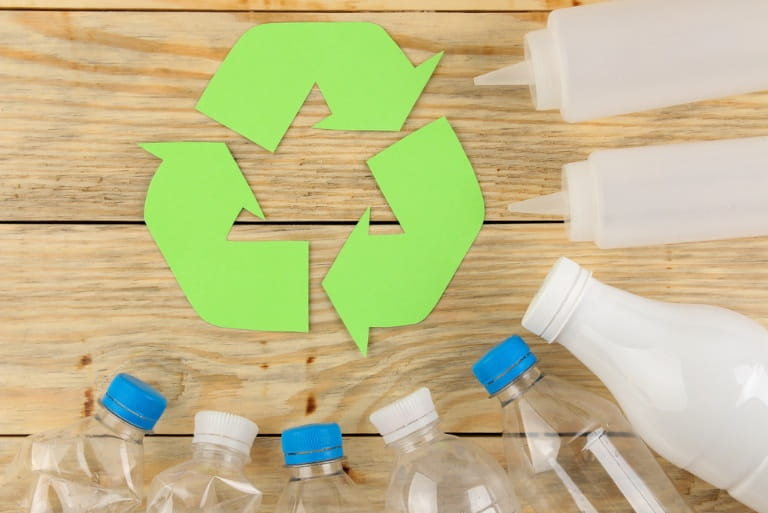
Plastic films are part of everyday life. You see them in grocery bags, snack wrappers, packaging for online orders, and even in agriculture. They are thin, flexible, and cheap to produce, which makes them very useful.
But they are also one of the hardest types of plastic to recycle. For many years, most plastic films were not recycled at all. They often ended up in landfills, burned, or worse, littered in rivers and oceans.
Today, things are slowly improving. A better recycling system is starting to give plastic films a “second life.” Read on.
Why Plastic Films Are Hard to Recycle
Plastic films are difficult to recycle for a few simple reasons:
First, they are very light and thin. This makes them hard for recycling machines to handle. They can easily get stuck or tangled in equipment.
Second, they are often dirty. Food wrappers, tape, glue, and labels all stick to them. This contamination makes recycling more complicated and expensive.
Third, they are made in different ways. Some films are single-layer plastic, while others are made from multiple layers of different materials.
These mixed materials are harder to separate and recycle. Because of these problems, many recycling centers reject plastic films completely.
Step 1: Collecting Plastic Films Properly
The recycling journey starts with collection. Some supermarkets now have drop-off bins where people can return plastic bags and packaging films. This helps keep films separate from other waste.
In some places, there are also special curbside programs that collect flexible plastics from homes. The key idea is simple: if plastic films are kept clean and separated early, they are much easier to recycle later.
Step 2: Sorting the Plastic
After collection, plastic films go to recycling facilities. Here, machines help sort different types of plastic. Some machines use light sensors to identify plastic types.
Others use air to separate light films from heavier materials. This step is important because mixing different plastics can ruin the recycling process.
Once sorted, the plastic films are cleaned to remove dirt, food, and glue. Check out the PP PE film washing machine for more information.
Step 3: Turning Waste into Raw Material
After cleaning, the plastic films are cut into small pieces. Then they are melted and turned into small pellets.
These pellets are like raw building blocks. Manufacturers can use them to make new plastic products.
However, not all plastic films can be recycled this way. Some are too damaged or mixed with other materials. That’s where new technology comes in.
Step 4: Chemical Recycling (A New Solution)
A newer method called chemical recycling is helping solve this problem. Instead of just melting plastic, chemical recycling breaks it down into its basic building blocks.
Think of it like reversing the manufacturing process. The plastic is turned back into oil-like materials or chemicals, which can then be used to create new, high-quality plastic. This method is useful because it can handle dirty or complex plastic films that traditional recycling cannot process.
Step 5: How Companies Are Designing Better Packaging
One big reason plastic film recycling is improving is that companies are starting to change how they design packaging. Some brands are reducing the number of layers in their plastic films so they are easier to recycle. Others are switching to single-type plastics instead of mixing materials.
There is also a growing push for “recyclable by design” packaging. This means products are made with recycling in mind from the start, not as an afterthought. When packaging is easier to recycle, the whole system works better and more materials can be recovered.
Step 6: The Role of Consumers in Recycling Success
Consumers play a major role in making plastic film recycling work. When people throw plastic films into the correct bins or return them to drop-off points, recycling systems become more efficient.
Simple actions make a big difference, such as:
Keeping plastic films clean and dry. Do not mix them with regular trash.
Following local recycling rules. Returning bags and wrappers to collection points when available.
The better people sort their waste, the more plastic can actually be recycled instead of rejected.
Step 7: Turning Recycled Plastic into Everyday Products
Once plastic films are fully recycled and processed, they don’t just disappear-they come back as useful products. Manufacturers use recycled plastic film materials to create items that people use every day. These include:
- Durable garbage bags
- Packaging materials for shipping & storage
- Agricultural films used in farming
- Plastic lumber & outdoor construction materials
- Protective layers for roads & buildings
This step shows the real “loop” in recycling: old waste becomes something new and useful again.
What Happens to Recycled Plastic Films?
Once recycled, plastic films can be used in many ways:
- New plastic bags/packaging
- Trash bags
- Shipping envelopes
- Agricultural films used in farming
- Building materials
- Some outdoor furniture & durable products
In short, old plastic films can come back as new, useful items instead of becoming waste.
Why This Matters for the Environment
Recycling plastic films helps in several important ways:
It reduces the amount of plastic in landfills and oceans. Plastic film is light and easily blown into nature, so recycling helps prevent pollution.
It also saves energy and resources. Making new plastic from recycled material usually uses less energy than making plastic from oil.
Most importantly, it supports a circular economy. This means products are reused again and again instead of being thrown away after one use.
The Challenges That Still Remain
Even with improvements, recycling plastic films is not perfect yet. Not everyone knows how to dispose of them properly. Many people still throw plastic films into regular trash.
Some recycling systems are not advanced enough to handle flexible plastics. Also, it can still be cheaper for companies to make new plastic instead of using recycled material. These problems slow down progress.
A Better Future for Plastic Films
Even with the challenges, the future is improving. More recycling centers are upgrading their machines. More companies are designing packaging that is easier to recycle. And more people are learning how to sort their waste properly.
Small actions from individuals also matter. Returning plastic bags to drop-off points or reducing unnecessary packaging can make a big difference. With better systems and better habits, plastic films can keep moving in a loop, used, recycled, and reused again.
If you want to read more articles, visit our blog.
