
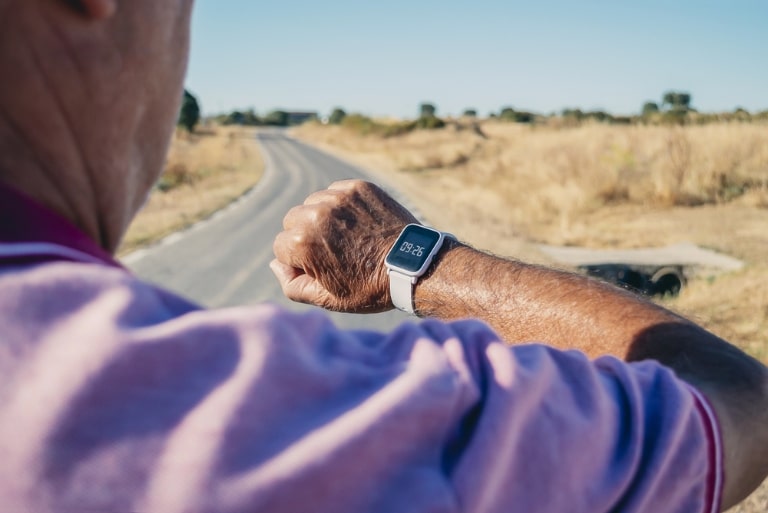
Travel and caregiving often pull attention in opposite directions. Trips ask for presence, while a parent’s well-being demands reliability. The good news is that thoughtful gear and steady routines can bridge that gap. Services like Sensorem trygghetsalarm illustrate how modern personal alarms connect seniors to help and families to timely updates without adding more stress to your day.
The market has matured as well, which means today’s tools are both common and capable. For a data-backed view of why this problem is solvable at scale, see this market analysis of medical alert systems, which reports a multibillion-dollar category growing on the strength of wearables, AI fall detection, and GPS-enabled services.
Gear and Routines that Keep Trips Enjoyable and Parents Supported
Wearables and Trackers that Pull Real Weight
Start with a layered setup. Pair a smartwatch or dedicated pendant with a home base or mobile personal emergency response service (mHealth study), then add caregiver app access for visibility.
Look for LTE M or 4G connectivity so devices stay online outside the house, and confirm a 24/7 response center is part of the plan. Core features to prioritize include one-touch SOS, fall detection, and geofencing that alerts when a boundary is crossed.
Match performance to the trip. Many watches deliver about 18 to 36 hours per charge, which suits city breaks with nightly charging. Dedicated GPS trackers can refresh location every 30 seconds to a few minutes and often claim roughly two-meter accuracy, which helps during errands or walks. If your parent is active, faster updates matter. If they are mostly home-based, a longer interval may preserve battery without losing meaningful detail.
Review the caregiver app before leaving. Make sure it shows a clear battery status, signal strength, and an alert history. Ask about false alarm tuning, since overly sensitive settings can create noise you will feel on the road. With the right settings, the technology supports independence rather than surveillance, and that keeps everyone confident.
Simple Daily Rhythms that Calm the Mind
Presence improves when routines remove guesswork. Short one to five-minute grounding exercises, such as breath counting or a quick body scan, cue attention at the start of each outing. Set a single fixed check-in window, for example, a five-minute call or text at 10 in the morning local time, so both sides know when to connect. This replaces scattered pings with a predictable rhythm.
Batch the rest of the caregiving work. Reserve one 15 to 20-minute window each day to review notifications, medication adherence, and location history. Turn off non-critical app alerts and rely on automated rules for what truly matters, such as falls, missed doses, or unusual inactivity. Brief, scheduled practices reduce cognitive load, which makes it easier to enjoy the trip without losing awareness.
If mindful prompts help, use a simple timer instead of an always-on stream of messages. The intent is to make technology an assistant, not a source of constant interruption. A calm routine is the quiet backbone of a good travel day.
Set it Up Right Before Wheels Up
Run a live test period before departure. For 48 hours, trigger a practice alert each day and confirm who gets notified, how fast they respond, and what escalation steps follow. Verify connectivity on LTE M or 4G is stable at home and in common errand spots, then save the response center’s number and your case ID in an easy-to-reach note.
Combine automation with human backup. Enable missed dose and low activity alerts to two contacts, since many modern dispensers and sensors send those notifications and a second person cuts the chance of a miss.
Authorize the monitoring service to contact emergency responders when necessary and give them your preferred order of calls. A simple script for your parent can set expectations, for example, “If an alert goes off, press the help button, speak to the operator, and they will call me and our neighbor.”
For written authorization, use clear language, for example, “I authorize the monitoring provider to dispatch emergency services and notify the following contacts if I do not respond.”
Pack a power plan. Bring extra charging cables, a small power bank, and a labeled bedside charger so devices always have a home at night. At this scale, remote monitoring is mainstream, with tens of millions of users in recent years and steady growth projected, which means the pieces work together when prepared with care. A few quiet rehearsals now make for a smoother journey later.
Travel with Your Attention Where it Belongs
A simple playbook keeps the balance steady. Charge wearables nightly, and confirm a GPS update interval that suits your parent’s routine, often 30 seconds to five minutes. Pair a wearable with a home or mobile alert service, set falls, missed medication, and low activity alerts to notify you and a local backup, then run a 48-hour alert test before leaving.
If heart rhythm is a concern, a single lead ECG accessory can add another layer, and many report atrial fibrillation sensitivity around the low nineties. Choose systems with performance metrics that match the length and style of your trip, and let brief daily rituals handle the rest. Travel deserves your full attention, and with the right setup, your parents’ safety can have it too.
